
A patient in my fertility practice reheated her lunch in the same scratched plastic container every day for years. Then, before her first IVF cycle, her hormone panel drifted in ways we couldn't easily explain. She asked why. When we ran a biomonitoring test, we found detectable BPA, a chemical she had never been told to look for. That container, degraded by years of heat and friction, had been leaching endocrine-disrupting compounds straight into her food.
She's not alone. Most of my patients are surprised to learn that plastic exposure is not incidental, it's systematic and measurable. For someone preparing to conceive or managing a hormone-sensitive condition, the choices you make about food storage and water bottles can shape your reproductive health in ways that feel invisible until a lab test reveals them.
As an integrative physician specializing in women's health and fertility, I address plastic exposure the same way I approach any other environmental stressor: by helping patients identify their highest-exposure habits, make one or two strategic swaps, and build sustainable new routines. This isn't about perfection or eliminating plastic from your life entirely. It's about understanding which plastics matter most to your health and what you can actually change this week. The chemical compounds in plastics behave like hormones in your body, and that matters.
What plastic chemicals actually do inside the body
Two chemical classes make up the bulk of the concern: bisphenols (BPA, BPS, BPF) and phthalates (DEHP, DBP). Both are endocrine-disrupting chemicals that structurally resemble estradiol and bind directly to estrogen and androgen receptors throughout your tissues. This means they don't just sit in your stomach, they actively interfere with your hormonal signaling.
The recycling codes on the bottom of plastic containers matter clinically. Codes #3 (PVC), #6 (polystyrene), and #7 (polycarbonate) leach the highest concentrations of these compounds, especially under heat. This is why a scratched container that's been microwaved hundreds of times becomes a reliable source of chemical exposure. CDC's National Biomonitoring Program has detected BPA in urine samples from more than 90% of Americans tested, which tells you that this isn't a fringe concern.
Microplastics, fragments smaller than 5 millimeters, act as physical carriers. They absorb chemicals and heavy metals from the environment and then ferry those compounds into your tissue. When you ingest a microplastic particle, you're also absorbing the chemicals and metals it's bound to. This is important because exposure is cumulative and largely invisible. You cannot see, taste, or smell most of what is migrating out of packaging into your food and drinks.

Where your daily plastic exposure actually comes from
Heat is the single biggest accelerant of chemical migration. Microwaving food in plastic, leaving a water bottle in a hot car, or storing hot leftovers in a plastic container all sharply increase the rate at which BPA and phthalates leach into food and liquid. At room temperature, migration happens slowly. At 160°F, it accelerates dramatically.
Thermal receipt paper is still common at pharmacies and grocery registers. It's coated in free BPA that absorbs through skin on contact. You pick up a receipt, and the chemical transfers directly to your hands and then into anything you touch or eat. That single receipt exposure is trivial in isolation, but repeated over years, it compounds.
In identifying endocrine disruptors in everyday products, I walk patients through sources they've overlooked. A 2022 study published in Environment International detected microplastic particles in the blood of 17 of 22 healthy adult volunteers tested. This was the first study to do so, and yes, that means researchers found plastic fragments in blood that had traveled from ingestion through the GI tract and into systemic circulation.
Canned food linings, plastic mesh tea bags (some shed billions of particles per cup steeped in near-boiling water), and laundering synthetic fleece are underappreciated sources. Your yoga mat and your polyester jacket shed microfibers every time you wash them. Those fibers go into wastewater and end up back in drinking water or seafood.
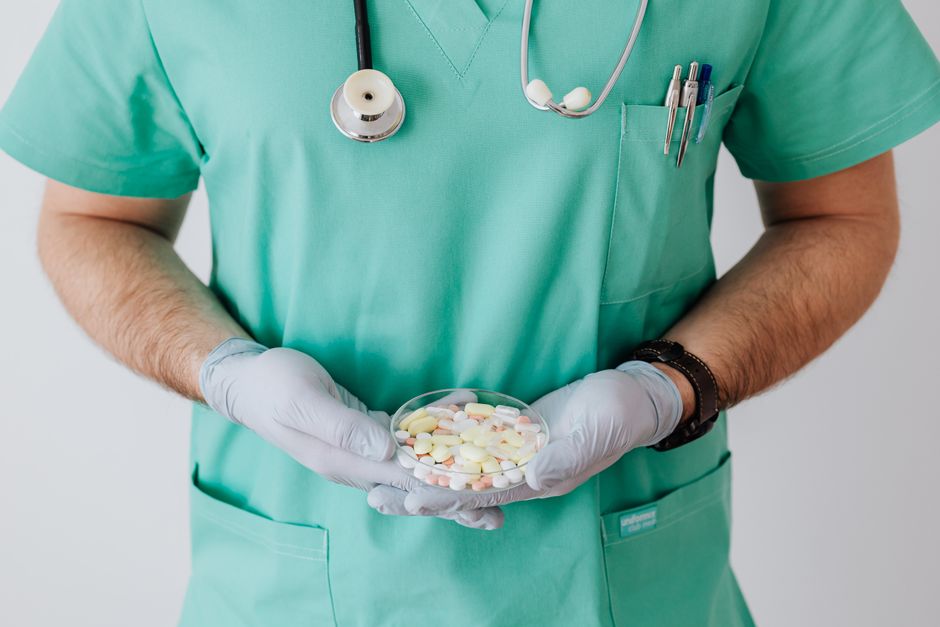
What are the harmful effects of plastic on human health?
In my fertility practice, I track several lines of harm. Phthalate exposure is associated with reduced ovarian reserve markers and altered fetal development in male infants exposed in utero. BPA exposure correlates with insulin resistance and greater visceral fat accumulation across multiple cohort studies, which matters because visceral fat drives inflammation and metabolic dysfunction.
The cardiovascular signal is newer and striking. A 2024 study published in the New England Journal of Medicine found microplastics and nanoplastics embedded in carotid artery plaque. Patients with the highest levels of plastic in their arteries had a 4.5-fold higher risk of heart attack, stroke, or death over roughly three years of follow-up. That's a real effect size, not a small correlation.
Microplastics also trigger oxidative stress and a low-grade inflammatory response in laboratory and animal models. For someone already managing an autoimmune condition or chronic inflammation, this is one more stressor piling onto an overloaded system.
"Microplastics are now ubiquitous in food, water, and air. Reducing plastic pollution is a reasonable precaution while research on human health risk continues."
Why plastic exposure matters more before conception
The preconception window matters clinically. Both egg and sperm quality reflect roughly the prior 90 days of chemical and oxidative exposure. If you're planning to conceive, your follicles three months from now are being shaped by your exposures today.
Higher urinary phthalate concentrations have been linked to lower antral follicle counts and reduced live birth rates following fertility treatment in multiple cohorts. The effect isn't huge, but it's real and measurable. In males, BPA exposure is associated with lower sperm concentration and motility, which means exposure reduction is a shared responsibility, not a solely female one.
"Women with higher urinary phthalate concentrations had a lower probability of live birth following fertility treatment."
My opinion is that couples should begin exposure reduction three to four months before an active conception attempt. That timeline aligns with the natural gametogenesis cycle and gives you time to establish new habits before you need them most. With environmental toxin exposure reduction strategies for fertility, you're not just improving your lab values, you're building the foundation for a healthier pregnancy.
How can you reduce microplastics in your body naturally?
Here are my tips for lowering your personal plastic chemical exposure:
- Swap plastic food storage and water bottles for glass, stainless steel, or silicone. Never microwave food in plastic, even containers labeled microwave-safe.
- Filter tap water with an NSF/ANSI 53-certified filter or reverse osmosis system. These are shown to reduce microplastic particle counts compared with unfiltered tap or bottled water.
- Skip the paper receipt when possible, or wash your hands after handling one. Thermal paper is a direct-skin BPA source and easy to avoid.
- Choose loose-leaf tea over plastic mesh tea bags. Let hot food and drinks cool before transferring them into any plastic container.
- Store acidic foods (tomatoes, citrus, vinegar) in glass or ceramic rather than plastic, since acidity accelerates chemical leaching.
How can you reduce microplastics in the environment?
Your household reduction choices ripple outward. Here's a practical checklist for cutting plastic waste at the source:
- Prioritize recycling codes #1 (PET) and #2 (HDPE), the only two plastics reliably recycled by most municipal programs in practice.
- Use a mesh washing bag or install an inline laundry microfiber filter. Synthetic textiles shed hundreds of thousands of microfibers per wash load into wastewater.
- Buy pantry staples in bulk or choose glass and metal packaging to cut single-use plastic volume at the source rather than after purchase.
- Check ingredient lists on exfoliants and toothpaste for polyethylene beads. Rinse-off cosmetic microbeads have been federally banned since the 2015 Microbead-Free Waters Act, but older or imported products may still contain them.
Microplastics that enter wastewater and marine environments re-enter the human food chain through seafood and drinking water, so reducing what you send downstream protects the sources your family drinks from.
Who should prioritize plastic reduction most
Not everyone needs to treat this with the same urgency. Pregnant and preconception patients should move this higher on their list, since fetal organ systems are developing and more vulnerable to endocrine signaling disruption. Patients with hormone-sensitive conditions I see often in practice, PCOS, endometriosis, estrogen-dominant fibroids, and thyroid disorders, also benefit from reducing this particular stressor.
Children absorb more microplastics pound for pound than adults because of higher hand-to-mouth contact and a faster metabolic rate relative to body size. If you have young children, making these swaps in your household protects them most directly. Patients managing chronic inflammatory or autoimmune conditions, where reducing this additional oxidative stress load is one lower-risk, higher-leverage intervention among several, also merit prioritization.
For patients managing hormone-sensitive fertility challenges like evidence-based management strategies for endometriosis and conception, plastic reduction pairs naturally with the supplement and dietary work we do in clinic.

Where to start this week
Avoiding plastic entirely is not realistic, and it's not the goal. What matters is consistent reduction across food storage, water, and receipts. These changes move biomarkers measurably within a few months. When I worked with patients who switched from plastic to glass storage and filtered their water, follow-up biomonitoring showed measurable reductions in urinary BPA and phthalate concentrations by eight to twelve weeks.
Here's my advice for getting started: pick two changes this week rather than overhauling your kitchen and bathroom at once. Sustained small changes outlast a short, intense purge. If you drink from a plastic water bottle daily, that's your first swap, one stainless steel bottle, and you're done. If you microwave food in plastic, that's your second. Don't try to source the perfect filter, stop buying canned food, and eliminate synthetic clothing all at once. You will quit within two weeks.
The goal of integrative medicine is to pair this exposure-reduction work with nutrition and hormone support, not to treat it as a stand-alone fix. That's why once you've made these practical swaps, we layer in work with hormone-supporting nutrients and foods for women to actively support detoxification pathways and hormonal resilience. Reduction of harm plus active nutrition. That combination is where the real change happens.